50 Low-Cost Mobile App Development Ideas - 2026

The mobile app market continues to expand rapidly, creating real opportunities for founders who know where to focus. According to Grand View Research, the global mobile application market was valued at USD 252.89 billion in 2023 and is projected to grow at a CAGR of 14.3% through 2030.
I wrote this guide for founders who want to enter this market without over-investing upfront. While mobile apps are often perceived as expensive to build, many high-potential ideas can be validated and launched with significantly lower development costs when approached strategically.
Why Consider Low-Cost Mobile App Development?
Before diving into the ideas, it’s important to frame why low-cost mobile app development matters today. This approach reduces financial risk, shortens time-to-market, and allows ideas to be validated with real users before committing to full-scale builds. For early-stage founders, this often determines whether an app evolves through iterations, or stalls before gaining traction.
- Lower financial risk
- Faster time-to-market
- Opportunity to test and validate ideas
- Potential for organic growth
- Accessibility for individual developers and small teams
Now, let's explore 50 exciting app development ideas that cater to various niches and user needs, all of which can be developed on a budget.
50 Low Cost Mobile App Ideas
This guide outlines 50 low-cost mobile app ideas designed for practical execution. Each idea is presented with a clear use case, core features, and realistic cost ranges to help founders evaluate feasibility, not just inspiration.
The focus is on ideas that can be built lean, tested early, and scaled only after demand is proven. These apps cater to various niches and user needs, offering aspiring developers a wealth of options to explore.
1. Task Management App
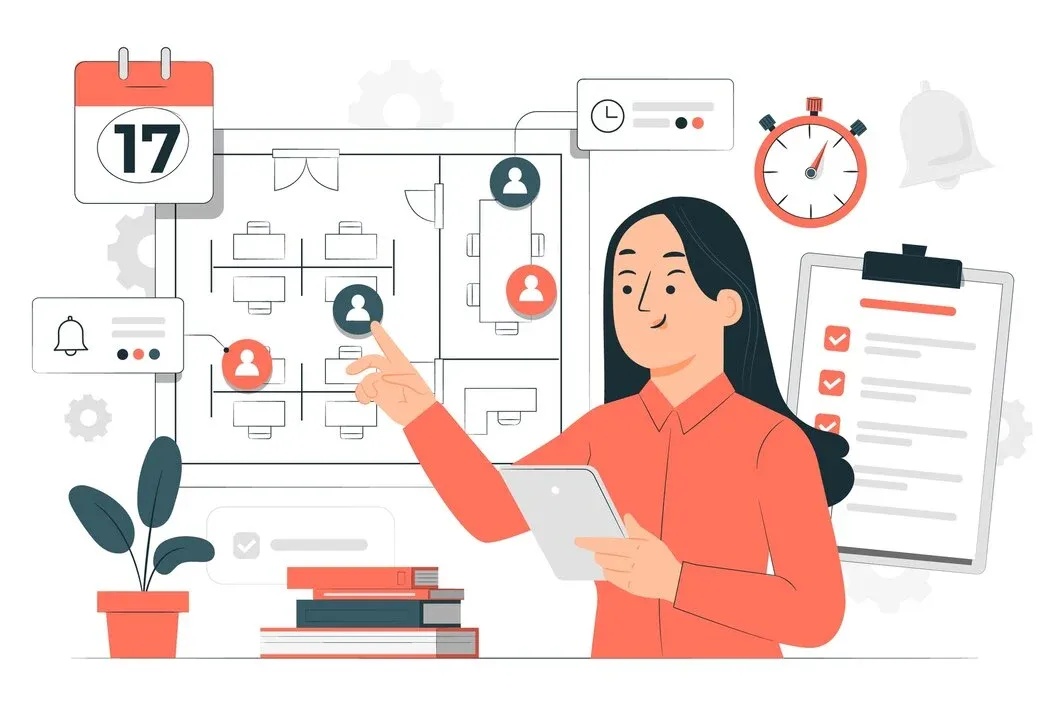
A lightweight task management app designed to help users plan daily work, prioritize tasks, and maintain consistency through reminders and progress tracking. The focus is on reducing mental overload rather than feature complexity, making it suitable for individuals who want clarity, structure, and habit-driven productivity without steep learning curves.
Features:
- Customizable task categories
- Priority levels and due dates
- Recurring tasks
- Reminders and notifications
- Simple project management tools
- Cross-device synchronization
Cost Breakdown:
- Development: $6,000 - $10,000
- Design: $1,500 - $3,000
- Testing and Quality Assurance: $1,000 - $2,000
- App Store Submissions: $300
- Marketing and User Acquisition: $1,000 - $3,000
- Server and Infrastructure (first year): $500 - $1,000
Total Estimated Cost for Task Management App: $10,300 - $19,300
2. Habit Tracker App

A habit-tracking app designed to help users build consistency through structured routines, visual progress cues, and timely reminders. The emphasis is on reinforcing small, repeatable behaviors rather than aggressive goal setting, making it suitable for long-term habit formation without overwhelming users or increasing development complexity.
Features:
- Daily, weekly, and monthly habit tracking
- Streak counting and visualizations
- Reminders and motivational notifications
- Progress charts and statistics
- Goal setting and milestone celebrations
Cost Breakdown:
- Development: $8,000 - $15,000
- Design: $2,000 - $4,000
- Testing and Quality Assurance: $1,500 - $2,500
- App Store Submissions: $300
- Marketing and User Acquisition: $1,500 - $4,000
- Server and Infrastructure (first year): $600 - $1,200
Total Estimated Cost for Habit Tracker App: $13,900 - $27,000
3. Local Event Finder App
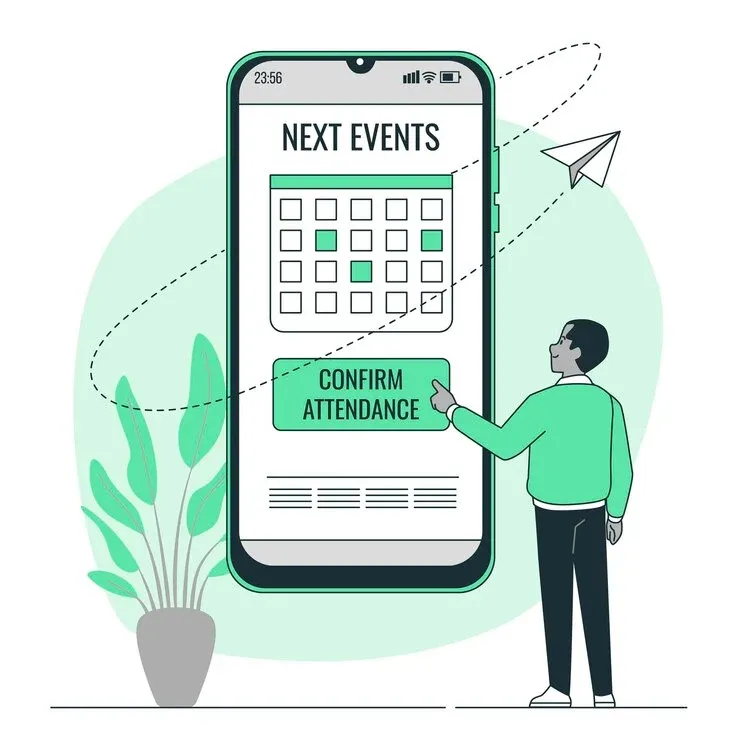
A location-based event discovery app that helps users find relevant local activities while allowing organizers and communities to share events easily. The focus is on proximity, timing, and relevance rather than large-scale ticketing, making it suitable for hyperlocal engagement with minimal operational and development overhead.
Features:
- Geolocation-based event discovery
- Event categories (music, art, sports, etc.)
- User-generated event submissions
- In-app ticket purchasing or RSVP
- Social media integration for sharing
Cost Breakdown:
- Development: $12,000 - $20,000
- Design: $2,500 - $5,000
- Testing and Quality Assurance: $2,000 - $3,500
- App Store Submissions: $300
- Marketing and User Acquisition: $2,500 - $6,000
- Server and Infrastructure (first year): $1,000 - $2,000
Total Estimated Cost for Local Event Finder App: $20,300 - $36,800
4. Recipe Organizer App
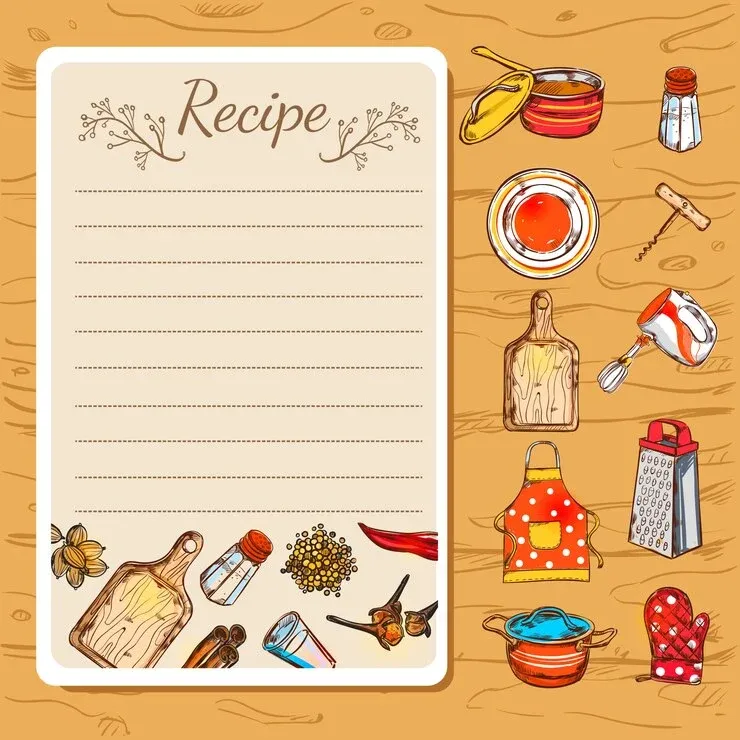
A recipe organization app built to help users manage personal recipes, plan meals, and generate shopping lists using ingredients they already have. The emphasis is on reducing food waste and daily decision fatigue rather than complex nutrition tracking, keeping the product lightweight, practical, and cost-efficient to build.
Features:
- Recipe storage and categorization
- Ingredient-based recipe search
- Automatic shopping list generation
- Meal planning calendar
- Nutritional information calculation
Cost Breakdown:
- Development: $10,000 - $18,000
- Design: $2,000 - $4,000
- Testing and Quality Assurance: $1,500 - $3,000
- App Store Submissions: $300
- Marketing and User Acquisition: $2,000 - $5,000
- Server and Infrastructure (first year): $800 - $1,500
Total Estimated Cost for Recipe Organizer App: $16,600 - $31,800
5. Mindfulness and Meditation Guide App
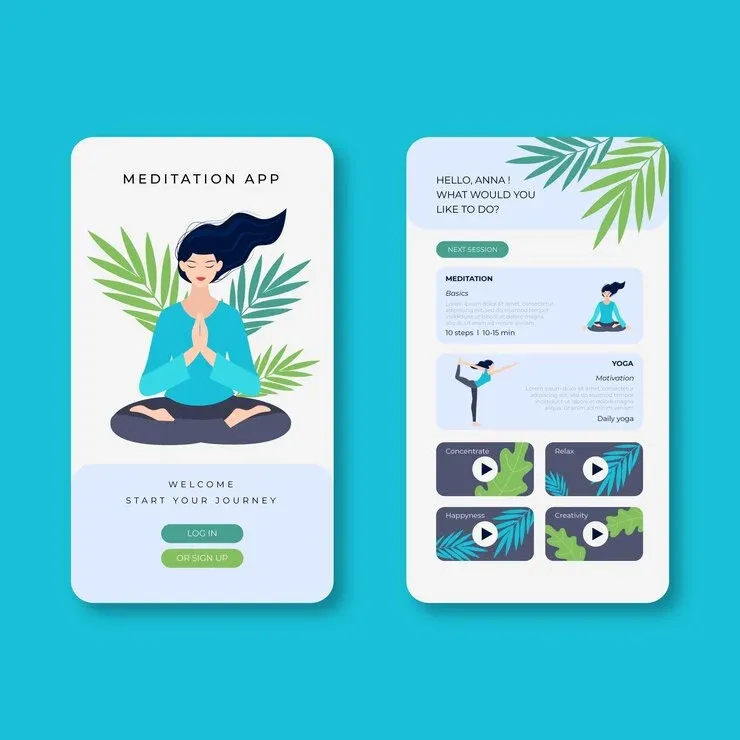
A mindfulness app designed to help users build a regular meditation practice through guided sessions, breathing exercises, and lightweight progress tracking. The focus is on habit formation and mental clarity rather than extensive content libraries, making it suitable for a calm, focused experience without high production or maintenance overhead.
Features:
- Guided meditation sessions
- Breathing exercises
- Sleep stories and calming sounds
- Mood tracking
- Progress and streak tracking
Cost Breakdown:
- Development: $12,000 - $25,000
- Design: $3,000 - $6,000
- Testing and Quality Assurance: $2,000 - $4,000
- App Store Submissions: $300
- Marketing and User Acquisition: $3,000 - $8,000
- Server and Infrastructure (first year): $1,000 - $2,000
Total Estimated Cost for Mindfulness and Meditation Guide App: $21,300 - $45,300
6. Language Learning Flashcards App
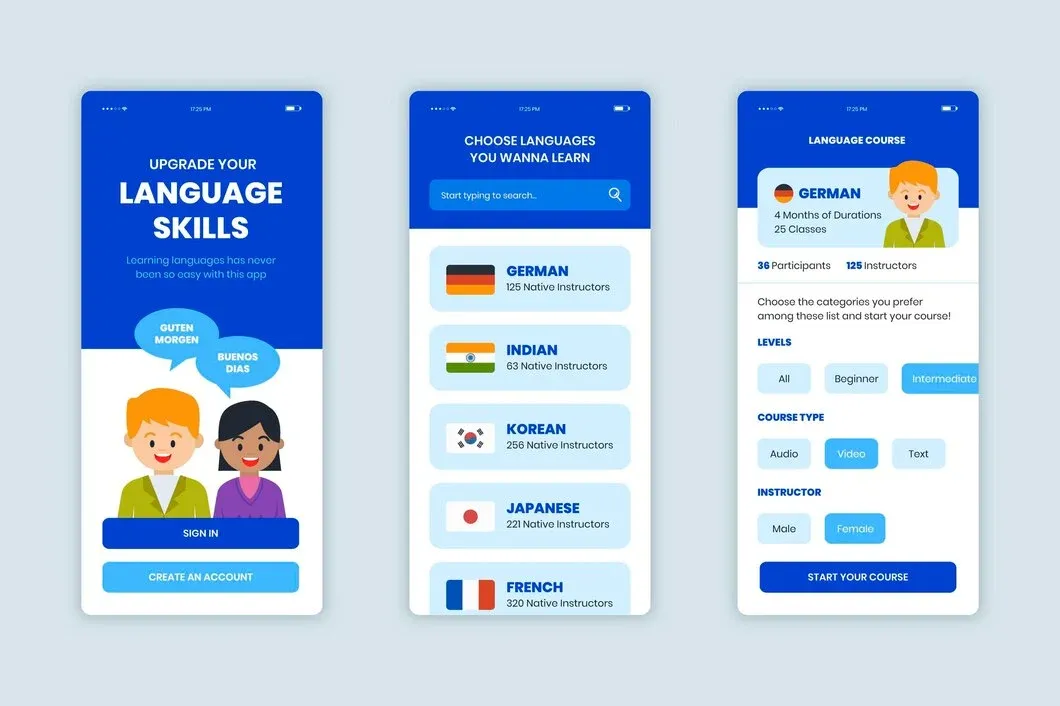
A language-learning flashcard app built around active recall and spaced repetition, allowing users to study through custom or pre-built decks. The product focuses on retention and short daily practice sessions rather than full-course delivery, making it effective for self-paced learners while keeping development and content complexity low.
Features:
- Customizable flashcard decks
- Spaced repetition algorithm
- Multiple choice quizzes
- Progress tracking
- Basic speech recognition for pronunciation practice
Cost Breakdown:
- Development: $8,000 - $15,000
- Design: $1,500 - $3,500
- Testing and Quality Assurance: $1,500 - $2,500
- App Store Submissions: $300
- Marketing and User Acquisition: $2,000 - $5,000
- Server and Infrastructure (first year): $700 - $1,500
Total Estimated Cost for Language Learning Flashcards App: $14,000 - $27,800
7. Personal Finance Tracker App
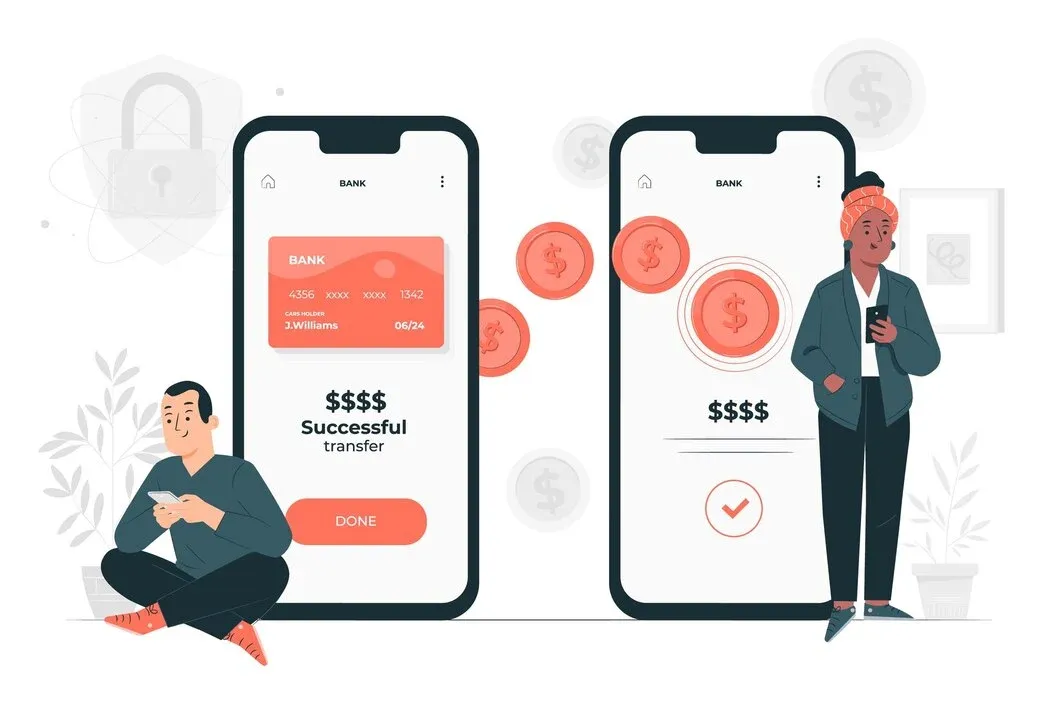
A personal finance app designed to help users track everyday expenses, set realistic budgeting goals, and understand spending patterns through clear visual summaries. The emphasis is on awareness and control rather than complex financial planning, making it suitable for individuals who want simple money management without heavy integrations or advanced accounting features.
Features:
- Expense categorization
- Budget setting and tracking
- Bill payment reminders
- Basic financial insights and reports
- Manual transaction entry
Cost Breakdown:
- Development: $12,000 - $20,000
- Design: $2,500 - $5,000
- Testing and Quality Assurance: $2,000 - $3,500
- App Store Submissions: $300
- Marketing and User Acquisition: $2,500 - $6,000
- Server and Infrastructure (first year): $1,000 - $2,000
Total Estimated Cost for Personal Finance Tracker App: $20,300 - $36,800
8. Workout Planner App
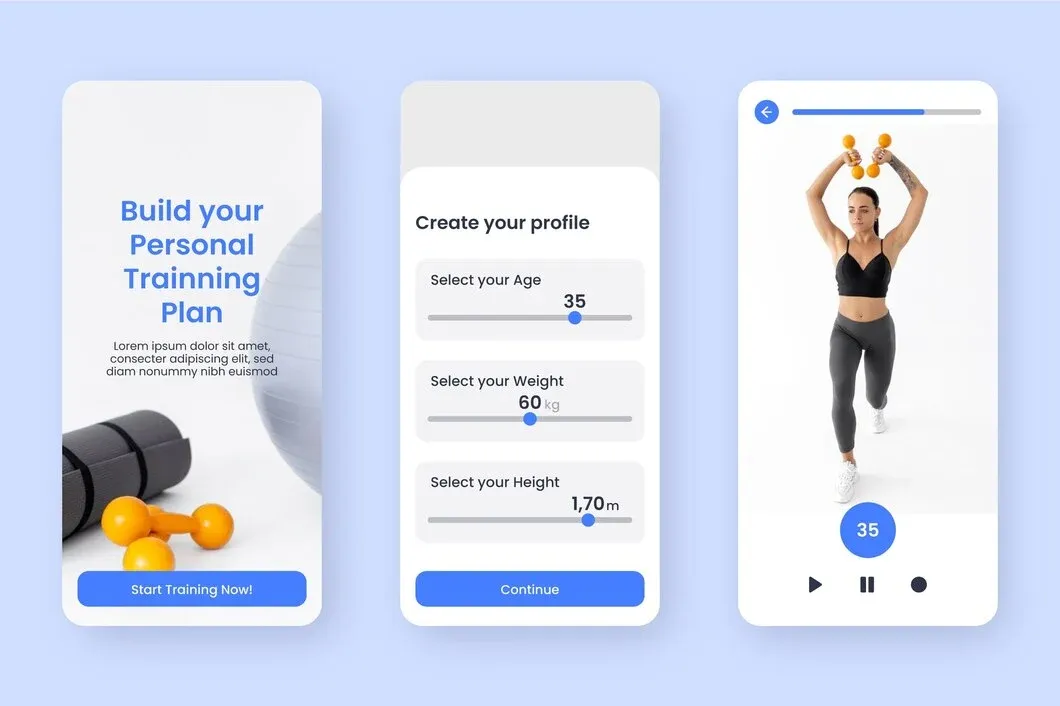
A workout planning app built to help users structure training routines, log exercises, and track progress over time. The focus is on consistency and measurable improvement rather than advanced coaching or wearable dependency, making it suitable for fitness enthusiasts who want a practical training companion without complex setup or high development overhead.
Features:
- Exercise library with instructions
- Customizable workout routines
- Progress tracking and goal-setting
- Basic workout logging
- Rest timer and exercise reminders
Cost Breakdown:
- Development: $15,000 - $28,000
- Design: $3,000 - $6,000
- Testing and Quality Assurance: $2,500 - $4,500
- App Store Submissions: $300
- Marketing and User Acquisition: $3,000 - $8,000
- Server and Infrastructure (first year): $1,200 - $2,500
Total Estimated Cost for Workout Planner App: $25,000 - $49,300
9. Plant Care Assistant App
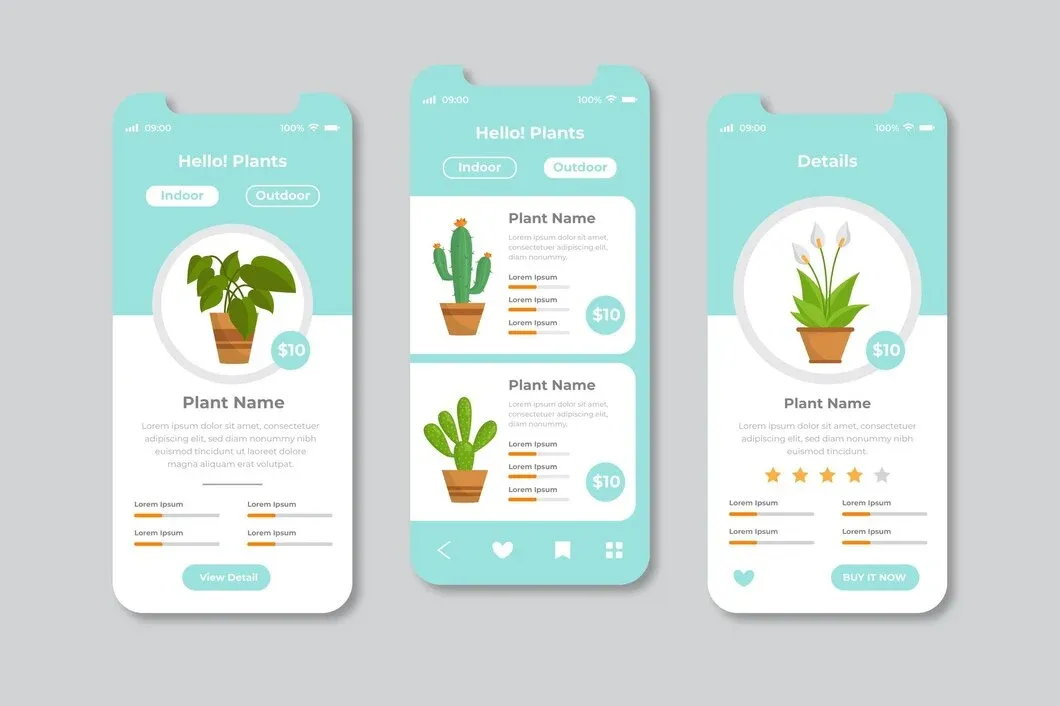
A plant care assistant app designed to help users maintain healthy plants through clear care instructions, scheduled watering reminders, and basic plant identification. The focus is on everyday plant maintenance rather than advanced horticulture, making it practical for home gardeners while keeping the product simple to build and maintain.
Features:
- Plant database with care instructions
- Watering and fertilizing reminders
- Basic plant identification (manual input)
- Growth tracking
- Seasonal care tips
Cost Breakdown:
- Development: $10,000 - $18,000
- Design: $2,000 - $4,000
- Testing and Quality Assurance: $1,500 - $3,000
- App Store Submissions: $300
- Marketing and User Acquisition: $2,000 - $5,000
- Server and Infrastructure (first year): $800 - $1,500
Total Estimated Cost for Plant Care Assistant App: $16,600 - $31,800
10. Local Business Directory App
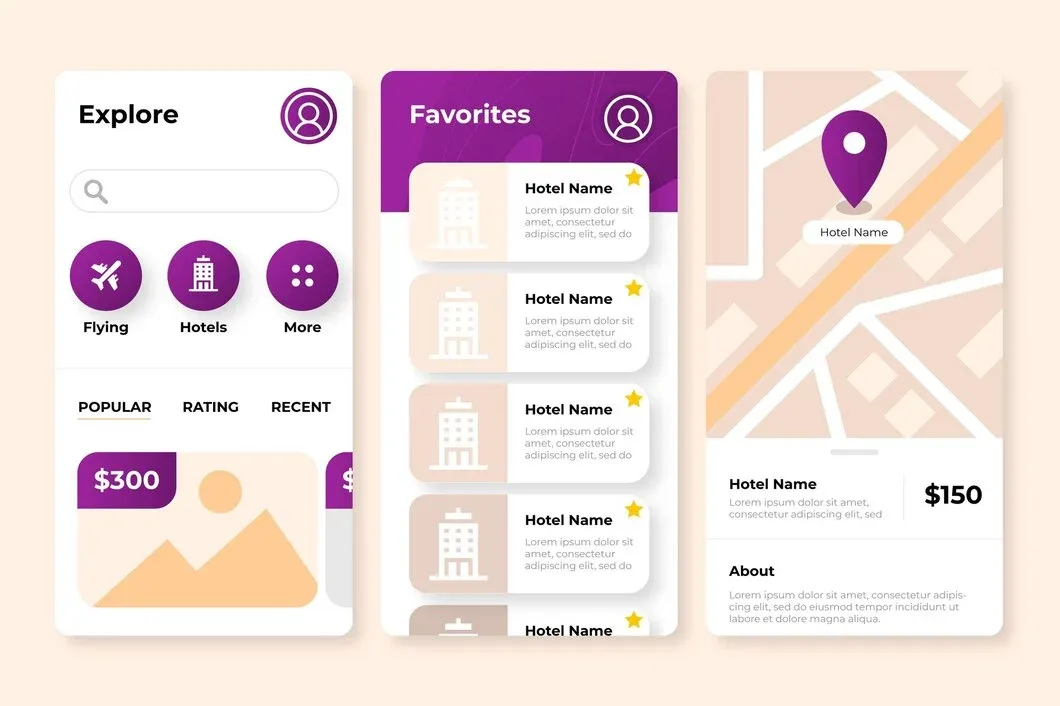
A local business directory app built to help users discover nearby shops, restaurants, and services through structured listings and community reviews. The emphasis is on local relevance and trust signals rather than large-scale marketplace features, making it suitable for hyperlocal discovery with manageable content and moderation requirements.
Features:
- Business listings with contact info
- Category-based search
- User reviews and ratings
- Map integration for directions
- Basic business claim and management system
Cost Breakdown:
- Development: $12,000 - $25,000
- Design: $2,500 - $5,000
- Testing and Quality Assurance: $2,000 - $4,000
- App Store Submissions: $300
- Marketing and User Acquisition: $3,000 - $8,000
- Server and Infrastructure (first year): $1,000 - $2,000
Total Estimated Cost for Local Business Directory App: $20,800 - $44,300
11. DIY Project Planner App
A DIY project planning app designed to help users organize projects, manage material lists, and document progress through guided steps and photos. The focus is on practical execution and project tracking rather than complex tutorials or community marketplaces, making it suitable for hands-on creators and straightforward to maintain.
Features:
- Project idea catalog
- Step-by-step guides
- Material list creation
- Progress photo uploads
- Basic community sharing
Cost Breakdown:
- Development: $10,000 - $20,000
- Design: $2,000 - $4,000
- Testing and Quality Assurance: $1,500 - $3,000
- App Store Submissions: $300
- Marketing and User Acquisition: $2,000 - $5,000
- Server and Infrastructure (first year): $800 - $1,500
Total Estimated Cost for DIY Project Planner App: $16,600 - $33,800
12. Carpool Coordinator App
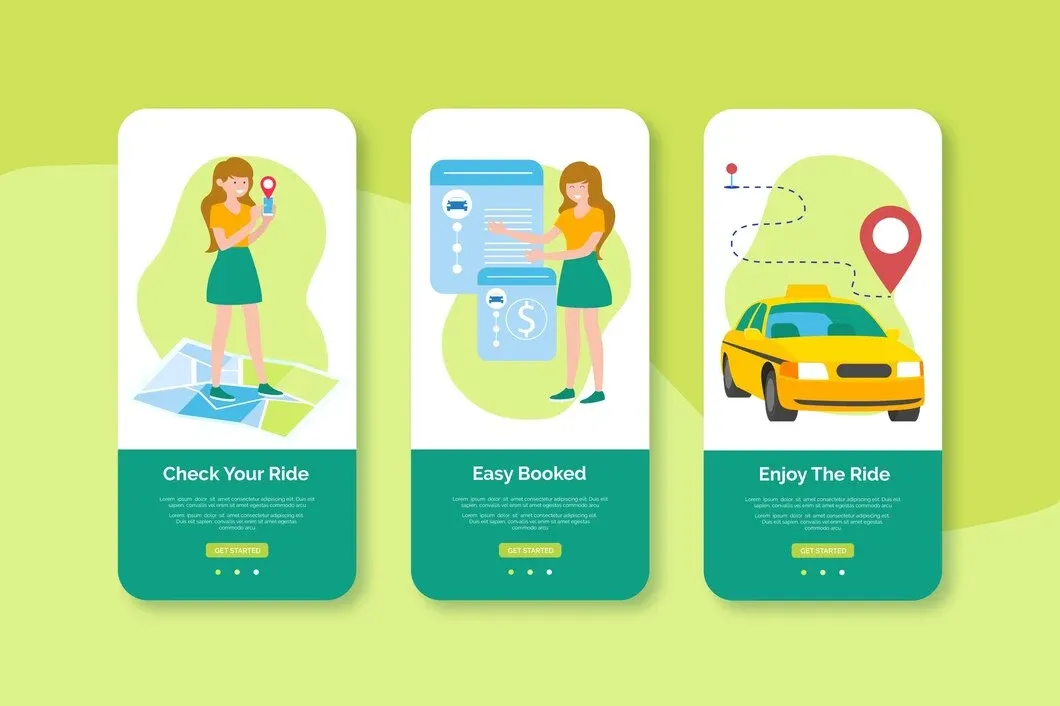
A carpool coordination app built to help commuters share rides based on routes, schedules, and proximity. The focus is on practical commute matching and basic coordination rather than complex ride-hailing features, making it suitable for daily travel use while keeping operational, safety, and development requirements manageable.
Features:
- Ride posting and searching
- In-app messaging
- Route mapping
- Basic user ratings
- Ride history tracking
Cost Breakdown:
- Development: $15,000 - $28,000
- Design: $3,000 - $6,000
- Testing and Quality Assurance: $2,500 - $4,500
- App Store Submissions: $300
- Marketing and User Acquisition: $3,000 - $8,000
- Server and Infrastructure (first year): $1,200 - $2,500
Total Estimated Cost for Carpool Coordinator App: $25,000 - $49,300
13. Volunteer Opportunity Finder App

A volunteer discovery app designed to connect individuals with nearby organizations and events that need short-term or ongoing support. The focus is on clear opportunity listings and simple sign-ups rather than complex nonprofit management tools, making it effective for local engagement while keeping onboarding and coordination lightweight.
Features:
- Opportunity listings
- Search by location and interest
- Application/sign-up system
- Volunteer hour logging
- Basic organization profiles
Cost Breakdown:
- Development: $12,000 - $20,000
- Design: $2,500 - $5,000
- Testing and Quality Assurance: $2,000 - $3,500
- App Store Submissions: $300
- Marketing and User Acquisition: $2,500 - $6,000
- Server and Infrastructure (first year): $1,000 - $2,000
Total Estimated Cost for Volunteer Opportunity Finder App: $20,300 - $36,800
14. Second-hand Marketplace App

A hyperlocal resale marketplace designed to help users buy and sell second-hand items within nearby communities. The focus is on proximity, trust, and simple transactions rather than nationwide logistics or complex payments, making it suitable for sustainable peer-to-peer exchange with lower moderation and operational overhead.
Features:
- Item listings with photos
- In-app messaging
- Search and category filters
- User profiles and ratings
- Basic transaction management
Cost Breakdown:
- Development: $20,000 - $35,000
- Design: $4,000 - $7,000
- Testing and Quality Assurance: $3,000 - $5,000
- App Store Submissions: $300
- Marketing and User Acquisition: $4,000 - $10,000
- Server and Infrastructure (first year): $1,500 - $3,000
Total Estimated Cost for Second-hand Marketplace App: $32,800 - $60,300
15. Pet Care Tracker App

A pet care tracking app designed to help owners manage vaccination schedules, medications, and veterinary appointments in one place. The focus is on reminders and record-keeping rather than medical diagnostics, making it practical for everyday pet care while keeping regulatory and technical complexity low.
Features:
- Pet profiles
- Vaccination and medication reminders
- Vet appointment scheduler
- Basic health record-keeping
- Feeding and exercise logs
Build Lean. Learn Fast.
Launch an MVP that saves money while proving your concept works.
Cost Breakdown:
- Development: $10,000 - $18,000
- Design: $2,000 - $4,000
- Testing and Quality Assurance: $1,500 - $3,000
- App Store Submissions: $300
- Marketing and User Acquisition: $2,000 - $5,000
- Server and Infrastructure (first year): $800 - $1,500
Total Estimated Cost for Pet Care Tracker App: $16,600 - $31,800
16. Study Group Finder App
A study group discovery app built to help students find compatible study partners or groups based on subjects, courses, and proximity. The focus is on matching and basic coordination rather than full learning management systems, making it useful for peer collaboration while keeping features and moderation requirements lightweight.
Features:
- Group creation and joining
- Study session scheduling
- In-app messaging
- File sharing
- Subject/course tagging
Cost Breakdown:
- Development: $12,000 - $20,000
- Design: $2,500 - $5,000
- Testing and Quality Assurance: $2,000 - $3,500
- App Store Submissions: $300
- Marketing and User Acquisition: $2,500 - $6,000
- Server and Infrastructure (first year): $1,000 - $2,000
Total Estimated Cost for Study Group Finder App: $20,300 - $36,800
17. Allergy Alert App

An allergy alert app designed to help users monitor pollen levels and air quality through real-time notifications and location-based data. The focus is on timely awareness rather than medical advice, making it useful for daily symptom management while avoiding regulatory and clinical complexity.
Features:
- Pollen count tracking
- Air quality index display
- Personalized allergy profiles
- Symptom logging
- Medication reminders
Cost Breakdown:
- Development: $8,000 - $15,000
- Design: $1,500 - $3,500
- Testing and Quality Assurance: $1,500 - $2,500
- App Store Submissions: $300
- Marketing and User Acquisition: $2,000 - $5,000
- Server and Infrastructure (first year): $700 - $1,500
Total Estimated Cost for Allergy Alert App: $14,000 - $27,800
18. Wardrobe Organizer App
A wardrobe organization app built to help users catalog clothing, plan outfits, and manage laundry cycles from a single view. The focus is on everyday organization and decision reduction rather than styling advice or e-commerce integration, making it practical for personal use while keeping features and development scope contained.
Features:
- Clothing item catalog
- Outfit planning tool
- Laundry cycle tracking
- Packing list generator
- Basic style suggestions
Cost Breakdown:
- Development: $10,000 - $18,000
- Design: $2,000 - $4,000
- Testing and Quality Assurance: $1,500 - $3,000
- App Store Submissions: $300
- Marketing and User Acquisition: $2,000 - $5,000
- Server and Infrastructure (first year): $800 - $1,500
Total Estimated Cost for Wardrobe Organizer App: $16,600 - $31,800
19. Local Trail Guide App

A local trail guide app designed to help users discover nearby hiking, biking, and walking routes with clear maps and trail descriptions. The focus is on accessibility and basic navigation rather than advanced GPS tracking or fitness analytics, making it suitable for casual outdoor use with low data and maintenance overhead.
Features:
- Trail maps and descriptions
- Difficulty ratings
- User reviews and tips
- Basic navigation
- Trail condition updates
Cost Breakdown:
- Development: $12,000 - $25,000
- Design: $2,500 - $5,000
- Testing and Quality Assurance: $2,000 - $4,000
- App Store Submissions: $300
- Marketing and User Acquisition: $3,000 - $8,000
- Server and Infrastructure (first year): $1,000 - $2,000
Total Estimated Cost for Local Trail Guide App: $20,800 - $44,300
20. Fuel Price Comparison Local Trail Guide App
A fuel price comparison app built to help drivers identify nearby stations offering the best prices in real time. The focus is on price visibility and location-based discovery rather than loyalty programs or payments, making it practical for everyday use while keeping data sources, integrations, and development scope manageable.
Features:
- Fuel price listings
- Station location mapping
- Price history tracking
- User-reported prices
- Fuel cost calculator
Cost Breakdown:
- Development: $8,000 - $15,000
- Design: $1,500 - $3,500
- Testing and Quality Assurance: $1,500 - $2,500
- App Store Submissions: $300
- Marketing and User Acquisition: $2,000 - $5,000
- Server and Infrastructure (first year): $700 - $1,500
Total Estimated Cost for Fuel Price Comparison Local Trail Guide App: $14,000 - $27,800
Suggested Reads- 15 Essential Steps for Launching a Successful Mobile App
21. Parking Spot Finder App
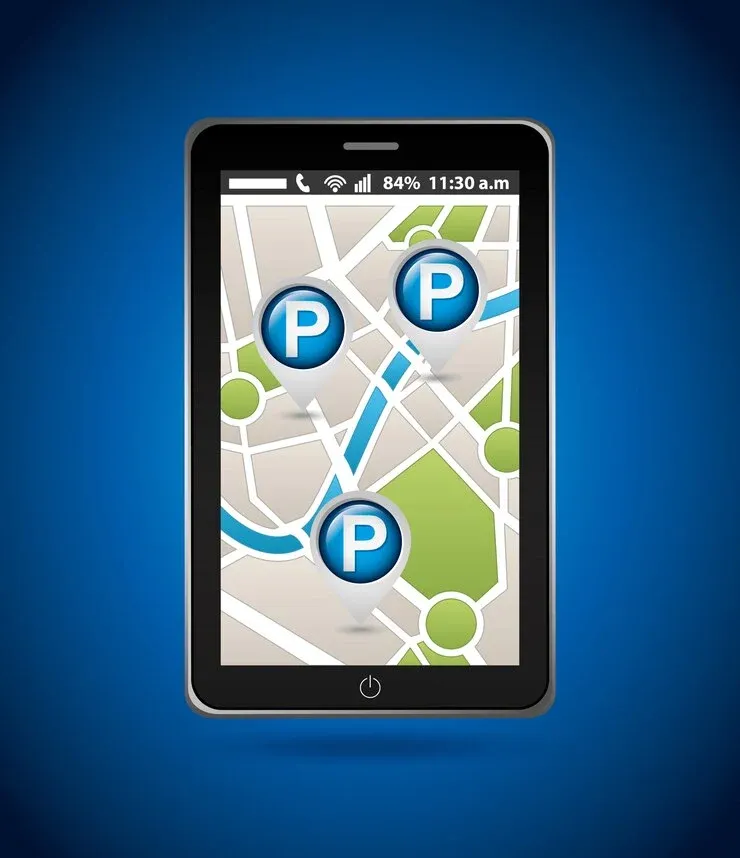
A parking availability app designed to help users locate open parking spots in high-traffic urban areas using real-time or reported data. The focus is on availability awareness rather than reservations or payments, allowing optional smart parking integrations while keeping infrastructure and operational complexity low.
Features:
- Real-time parking availability
- Map-based spot locator
- Price comparison
- Basic reservation system
- User-reported spot status
Cost Breakdown:
- Development: $15,000 - $28,000
- Design: $3,000 - $6,000
- Testing and Quality Assurance: $2,500 - $4,500
- App Store Submissions: $300
- Marketing and User Acquisition: $3,000 - $8,000
- Server and Infrastructure (first year): $1,200 - $2,500
Total Estimated Cost for Parking Spot Finder App: $25,000 - $49,300
22. Freelance Job Board App
A local gig marketplace app designed to connect freelancers with nearby short-term and project-based work across multiple skill categories. The focus is on location-based discovery and simple matching rather than complex contracts or long-term hiring, making it suitable for flexible work opportunities while keeping moderation and operational requirements manageable.
Features:
- Job postings and applications
- Freelancer profiles
- Basic job search and filters
- In-app messaging
- Job completion tracking
Cost Breakdown:
- Development: $12,000 - $25,000
- Design: $2,500 - $5,000
- Testing and Quality Assurance: $2,000 - $4,000
- App Store Submissions: $300
- Marketing and User Acquisition: $3,000 - $8,000
- Server and Infrastructure (first year): $1,000 - $2,000
Total Estimated Cost for Freelance Job Board App: $20,800 - $44,300
23. Anonymous Social Network App

An anonymous social networking app designed to let users share thoughts and experiences without identity exposure. The focus is on expression and discussion rather than follower growth or virality, making it suitable for small, moderated communities while keeping trust, safety, and feature complexity intentionally contained.
Features:
- Anonymous user profiles
- Post creation and sharing
- Topic-based communities
- Basic moderation tools
- Privacy controls
Cost Breakdown:
- Development: $20,000 - $35,000
- Design: $4,000 - $7,000
- Testing and Quality Assurance: $3,000 - $5,000
- App Store Submissions: $300
- Marketing and User Acquisition: $4,000 - $10,000
- Server and Infrastructure (first year): $1,500 - $3,000
Total Estimated Cost for Anonymous Social Network App: $32,800 - $60,300
24. Digital Garage Sale Locator App
A local sale discovery app built to help users locate nearby garage sales, estate sales, and flea markets through maps and time-based listings. The focus is on visibility and discovery rather than transactions or payments, making it suitable for community-driven commerce with minimal moderation and low development complexity.
Features:
- Sale listings with locations
- Map-based search
- User-generated sale postings
- Basic item cataloging
- Sale date reminders
Cost Breakdown:
- Development: $10,000 - $18,000
- Design: $2,000 - $4,000
- Testing and Quality Assurance: $1,500 - $3,000
- App Store Submissions: $300
- Marketing and User Acquisition: $2,000 - $5,000
- Server and Infrastructure (first year): $800 - $1,500
Total Estimated Cost for Digital Garage Sale Locator App: $16,600 - $31,800
25. Meal Prep Planner App
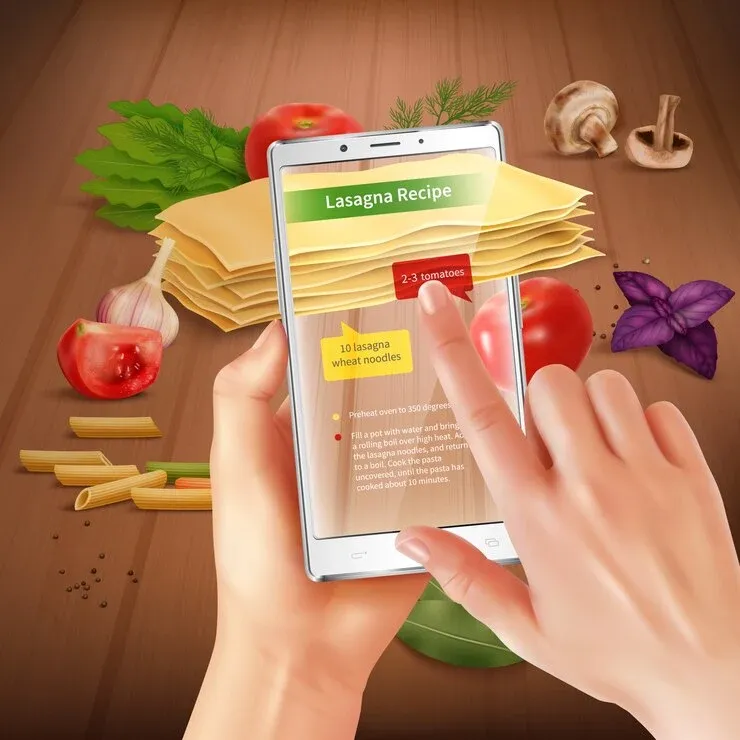
A weekly meal planning app designed to help users organize meals, generate grocery lists, and understand basic nutritional information. The focus is on planning and consistency rather than detailed dietary coaching, making it practical for everyday use while keeping content, integrations, and compliance requirements minimal.
Features:
- Recipe database
- Meal planning calendar
- Grocery list generation
- Basic nutritional information
- Portion calculator
Cost Breakdown:
- Development: $12,000 - $20,000
- Design: $2,500 - $5,000
- Testing and Quality Assurance: $2,000 - $3,500
- App Store Submissions: $300
- Marketing and User Acquisition: $2,500 - $6,000
- Server and Infrastructure (first year): $1,000 - $2,000
Total Estimated Cost for Meal Prep Planner App: $20,300 - $36,800
26. Lost and Found Platform App
A local lost-and-found app designed to help communities report, discover, and recover misplaced items through location-based listings. The focus is on visibility and simple verification rather than ownership enforcement or transactions, making it practical for everyday use while keeping moderation, trust, and operational complexity manageable.
Features:
- Lost/found item listings
- Location-based search
- In-app messaging
- Item photo uploads
- Claim verification system
Cost Breakdown:
- Development: $10,000 - $18,000
- Design: $2,000 - $4,000
- Testing and Quality Assurance: $1,500 - $3,000
- App Store Submissions: $300
- Marketing and User Acquisition: $2,000 - $5,000
- Server and Infrastructure (first year): $800 - $1,500
Total Estimated Cost for Lost and Found Platform App: $16,600 - $31,800
27. Skill Swap Network App
A community skill-sharing app designed to let users exchange knowledge and practical skills through structured listings and simple coordination. The focus is on peer-to-peer learning rather than formal courses or certifications, making it suitable for local communities while keeping moderation, content creation, and platform complexity intentionally limited.
Features:
- User skill profiles
- Skill matching algorithm
- In-app messaging
- Lesson scheduling
- Basic review system
Cost Breakdown:
- Development: $12,000 - $25,000
- Design: $2,500 - $5,000
- Testing and Quality Assurance: $2,000 - $4,000
- App Store Submissions: $300
- Marketing and User Acquisition: $3,000 - $8,000
- Server and Infrastructure (first year): $1,000 - $2,000
Total Estimated Cost for Skill Swap Network App: $20,800 - $44,300
28. Local Art Gallery Guide App

A local art discovery app designed to highlight nearby galleries, exhibitions, and independent artists through curated listings and profiles. The focus is on visibility and cultural discovery rather than ticketing or commerce, making it suitable for promoting local art communities while keeping content management and platform complexity low.
Features:
- Gallery listings and info
- Exhibition schedules
- Artist profiles
- Basic ticket reservations
- User reviews and ratings
Cost Breakdown:
- Development: $10,000 - $18,000
- Design: $2,000 - $4,000
- Testing and Quality Assurance: $1,500 - $3,000
- App Store Submissions: $300
- Marketing and User Acquisition: $2,000 - $5,000
- Server and Infrastructure (first year): $800 - $1,500
Total Estimated Cost for Local Art Gallery Guide App: $16,600 - $31,800
29. Neighborhood Watch App
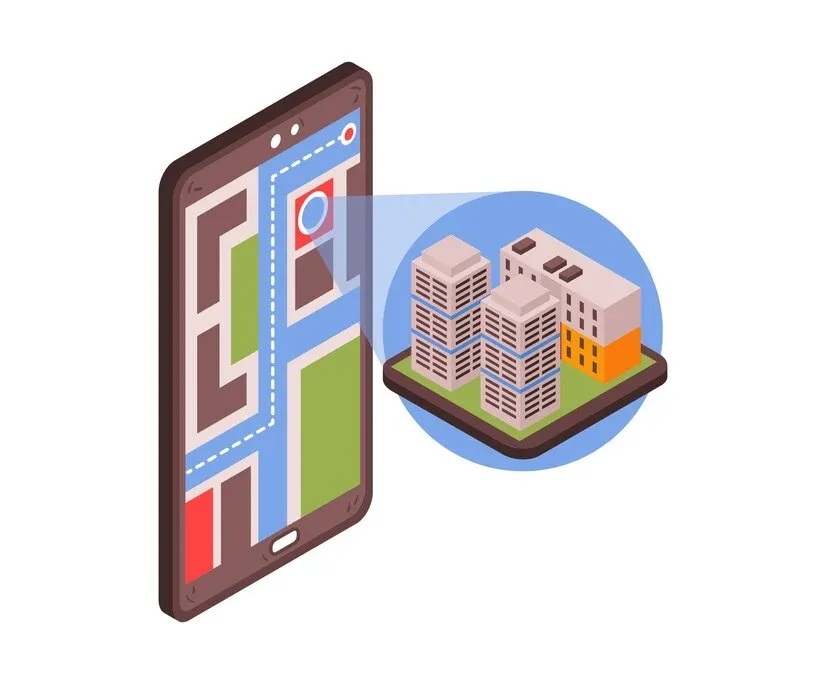
A neighborhood safety app designed to help residents share local alerts, report concerns, and coordinate watch activities in real time. The focus is on timely communication and community awareness rather than emergency response or surveillance, making it suitable for local safety coordination while keeping moderation, liability, and operational complexity controlled.
Features:
- Incident reporting
- Alert notifications
- Community messaging board
- Emergency contact directory
- Basic map integration
Cost Breakdown:
- Development: $15,000 - $28,000
- Design: $3,000 - $6,000
- Testing and Quality Assurance: $2,500 - $4,500
- App Store Submissions: $300
- Marketing and User Acquisition: $3,000 - $8,000
- Server and Infrastructure (first year): $1,200 - $2,500
Total Estimated Cost for Neighborhood Watch App: $25,000 - $49,300
30. Virtual Book Club App
A virtual book club app designed to help readers form groups, track reading progress, and discuss books through structured conversations. The focus is on shared reading experiences and discussion flow rather than social feeds or commerce, making it suitable for focused communities while keeping content moderation and feature complexity manageable.
Features:
- Book club creation and joining
- Reading schedule planner
- Discussion forums
- Book rating system
- Reading progress tracker
Cost Breakdown:
- Development: $12,000 - $20,000
- Design: $2,500 - $5,000
- Testing and Quality Assurance: $2,000 - $3,500
- App Store Submissions: $300
- Marketing and User Acquisition: $2,500 - $6,000
- Server and Infrastructure (first year): $1,000 - $2,000
Total Estimated Cost for Virtual Book Club App: $20,300 - $36,800
31. Sustainable Living Tips App
A sustainability guidance app designed to help users adopt eco-friendly habits through daily tips and simple challenges. The focus is on small, actionable lifestyle changes rather than complex carbon tracking, making it practical for regular use while keeping data requirements and development complexity low.
Features:
- Daily eco-friendly tips
- Sustainability challenges
- Carbon footprint calculator
- Resource-saving trackers
- Community idea sharing
Cost Breakdown:
- Development: $8,000 - $15,000
- Design: $1,500 - $3,500
- Testing and Quality Assurance: $1,500 - $2,500
- App Store Submissions: $300
- Marketing and User Acquisition: $2,000 - $5,000
- Server and Infrastructure (first year): $700 - $1,500
Total Estimated Cost for Sustainable Living Tips App: $14,000 - $27,800
32. Local Music Scene Explorer App
Description: A local music discovery app built to help users find nearby musicians, upcoming gigs, and recent releases through location-based listings. The focus is on discovery and visibility rather than streaming or ticketing, making it suitable for promoting local talent while keeping licensing, content, and platform complexity low.
Features:
- Local artist profiles
- Gig listings and calendar
- Venue information
- Basic ticket purchasing
- Fan review system
Cost Breakdown:
- Development: $12,000 - $20,000
- Design: $2,500 - $5,000
- Testing and Quality Assurance: $2,000 - $3,500
- App Store Submissions: $300
- Marketing and User Acquisition: $2,500 - $6,000
- Server and Infrastructure (first year): $1,000 - $2,000
Total Estimated Cost for Local Music Scene Explorer App: $20,300 - $36,800
33. Home Inventory Manager App
A home inventory app designed to help users document and organize personal belongings for insurance reference or everyday record-keeping. The focus is on structured cataloging, photos, and basic valuations rather than claims processing, making it practical for preparedness while keeping data handling and feature complexity manageable.
Features:
- Item cataloging with photos
- Value estimation
- Category organization
- Basic reporting for insurance
- Warranty expiration tracking
Cost Breakdown:
- Development: $10,000 - $18,000
- Design: $2,000 - $4,000
- Testing and Quality Assurance: $1,500 - $3,000
- App Store Submissions: $300
- Marketing and User Acquisition: $2,000 - $5,000
- Server and Infrastructure (first year): $800 - $1,500
Estimated Development Cost for Home Inventory Manager App: $16,600 - $31,800
34. Donation Matcher App

A local donation discovery app designed to connect donors with nearby charities and causes aligned with their interests. The focus is on visibility and matching rather than payment processing or fundraising campaigns, making it suitable for community-driven giving while keeping compliance, financial handling, and operational complexity low.
Features:
- Charity profiles and needs
- Donor interest matching
- Donation tracking
- Basic payment integration
- Impact reporting
Cost Breakdown:
- Development: $12,000 - $25,000
- Design: $2,500 - $5,000
- Testing and Quality Assurance: $2,000 - $4,000
- App Store Submissions: $300
- Marketing and User Acquisition: $3,000 - $8,000
- Server and Infrastructure (first year): $1,000 - $2,000
Total Estimated Cost for Donation Matcher App: $20,800 - $44,300
35. Collaborative Story Writing App
A collaborative storytelling app designed to let users co-create stories through branching narratives and community voting. The focus is on creative participation and structured decision-making rather than publishing or monetization, making it suitable for interactive writing communities while keeping moderation and platform complexity manageable.
Features:
- Story creation and editing
- Collaborative writing rooms
- Version control
- Genre-based communities
- Basic publishing tools
Cost Breakdown:
- Development: $15,000 - $28,000
- Design: $3,000 - $6,000
- Testing and Quality Assurance: $2,500 - $4,500
- App Store Submissions: $300
- Marketing and User Acquisition: $3,000 - $8,000
- Server and Infrastructure (first year): $1,200 - $2,500
Total Estimated Cost for Collaborative Story Writing App: $25,000 - $49,300
36. Local Sports Team Organizer App
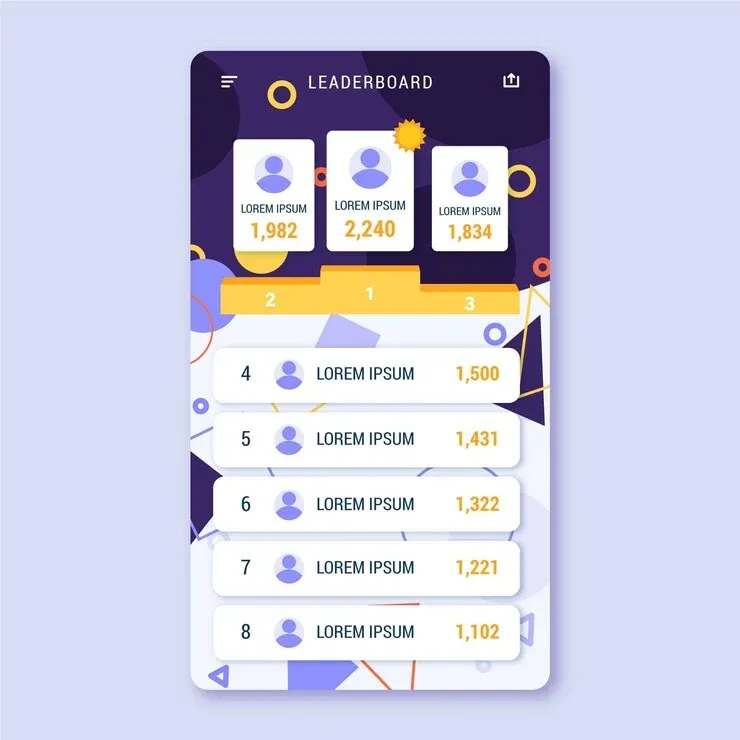
A team management app designed for amateur sports groups to organize schedules, track player availability, and record basic game statistics. The focus is on coordination and participation rather than advanced analytics or league management, making it practical for local teams while keeping setup, data entry, and feature complexity low.
Features:
- Team roster management
- Game scheduling
- Player availability tracking
- Basic stats recording
- Team messaging
Cost Breakdown:
- Development: $12,000 - $20,000
- Design: $2,500 - $5,000
- Testing and Quality Assurance: $2,000 - $3,500
- App Store Submissions: $300
- Marketing and User Acquisition: $2,500 - $6,000
- Server and Infrastructure (first year): $1,000 - $2,000
Total Estimated Cost for Local Sports Team Organizer App: $20,300 - $36,800
37. Cultural Heritage Guide App
A local history guide app designed to help users discover nearby historical sites, monuments, and cultural landmarks through curated information and location-based context. The focus is on exploration and educational value rather than guided tours or ticketing, making it suitable for casual discovery while keeping content creation and maintenance requirements low.
Build Lean. Learn Fast.
Launch an MVP that saves money while proving your concept works.
Features:
- Historical site database
- Self-guided tour creation
- Basic augmented reality integration
- User-generated content
- Offline access to guides
Cost Breakdown:
- Development: $10,000 - $18,000
- Design: $2,000 - $4,000
- Testing and Quality Assurance: $1,500 - $3,000
- App Store Submissions: $300
- Marketing and User Acquisition: $2,000 - $5,000
- Server and Infrastructure (first year): $800 - $1,500
Total Estimated Cost for Cultural Heritage Guide App: $16,600 - $31,800
38. Time Zone Converter App
A time zone coordination app designed to help users schedule meetings and calls across regions without confusion. The focus is on clear time conversion, availability alignment, and conflict avoidance rather than full calendar management, making it practical for distributed teams while keeping integrations and development complexity minimal.
Features:
- Multiple time zone display
- Meeting planner across time zones
- World clock
- Daylight saving time adjustments
- Basic calendar integration
Cost Breakdown:
- Development: $6,000 - $12,000
- Design: $1,500 - $3,000
- Testing and Quality Assurance: $1,000 - $2,000
- App Store Submissions: $300
- Marketing and User Acquisition: $1,500 - $4,000
- Server and Infrastructure (first year): $500 - $1,000
Total Estimated Cost for Time Zone Converter App: $10,800 - $22,300
Suggested Reads- 13 Key Mobile App Features Every Mobile App Should Have
39. Shared Grocery List App
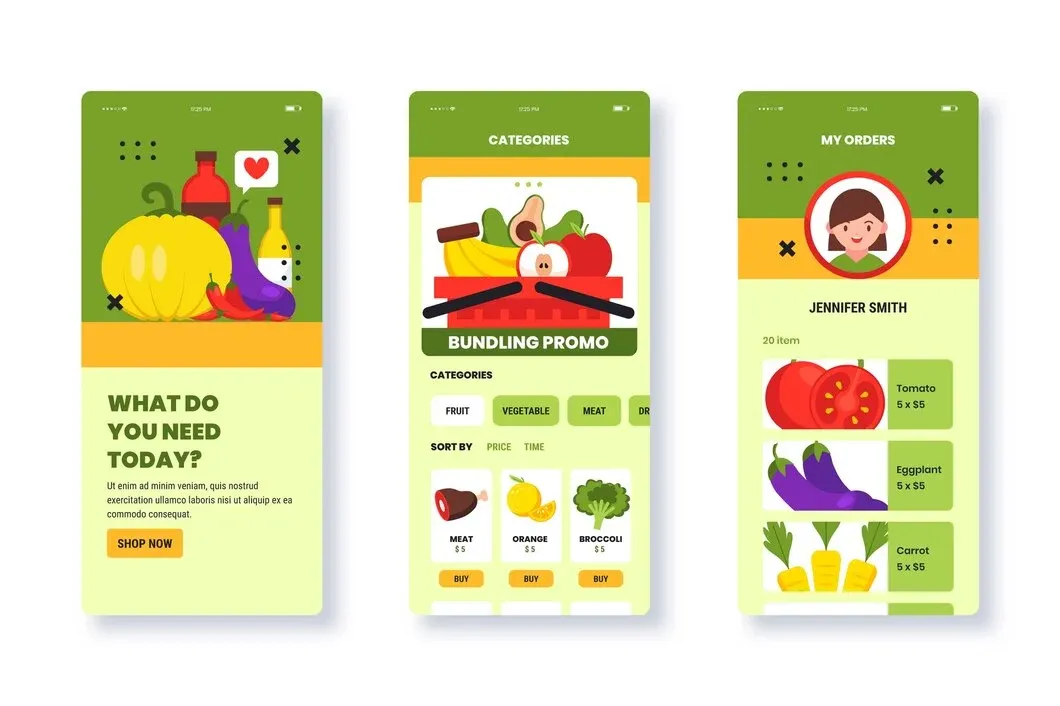
A shared grocery list app designed to help households collaborate on shopping lists in real time. The focus is on synchronization, clarity, and conflict-free updates rather than recipes or store integrations, making it practical for everyday coordination while keeping features, data handling, and development complexity low.
Features:
- Real-time list syncing
- Item categorization
- Price tracking
- Shopping history
- Basic recipe integration
Cost Breakdown:
- Development: $8,000 - $15,000
- Design: $1,500 - $3,500
- Testing and Quality Assurance: $1,500 - $2,500
- App Store Submissions: $300
- Marketing and User Acquisition: $2,000 - $5,000
- Server and Infrastructure (first year): $700 - $1,500
Total Estimated Cost for Shared Grocery List App: $14,000 - $27,800
40. Local Film Location Tour App
A filming location guide app designed to help users discover and navigate real-world locations featured in movies and TV shows within their city. The focus is on location discovery and contextual information rather than guided tours or licensing, making it suitable for casual exploration while keeping content, mapping, and operational complexity low.
Features:
- Film location database
- Self-guided tour maps
- Scene comparisons (then vs. now)
- User-generated content
- Basic augmented reality features
Cost Breakdown:
- Development: $12,000 - $20,000
- Design: $2,500 - $5,000
- Testing and Quality Assurance: $2,000 - $3,500
- App Store Submissions: $300
- Marketing and User Acquisition: $2,500 - $6,000
- Server and Infrastructure (first year): $1,000 - $2,000
Total Estimated Cost for Local Film Location Tour App: $20,300 - $36,800
41. Vintage Fashion Marketplace App
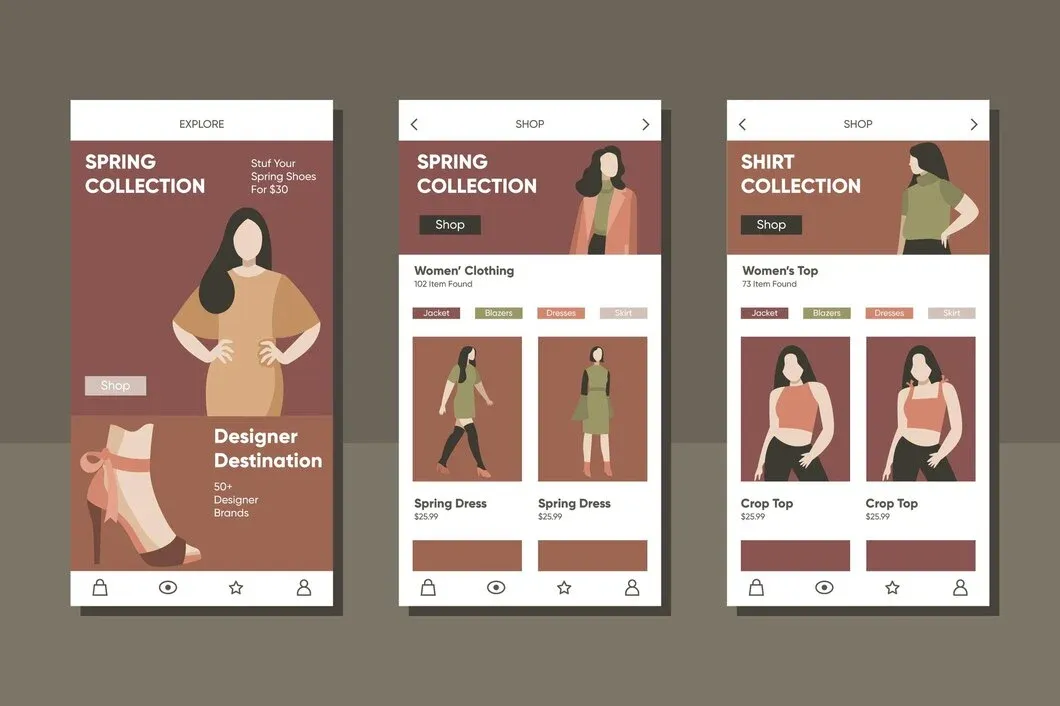
A niche fashion marketplace designed to connect collectors and sellers of vintage and retro apparel through curated listings. The focus is on discovery, authenticity cues, and community trust rather than large-scale fulfillment or fast fashion, making it suitable for focused resale while keeping moderation and operational complexity manageable.
Features:
- Item listings with detailed descriptions
- Size and era filtering
- In-app messaging
- Basic authentication system
- Vintage style guides
Cost Breakdown:
- Development: $15,000 - $28,000
- Design: $3,000 - $6,000
- Testing and Quality Assurance: $2,500 - $4,500
- App Store Submissions: $300
- Marketing and User Acquisition: $3,000 - $8,000
- Server and Infrastructure (first year): $1,200 - $2,500
Total Estimated Cost for Vintage Fashion Marketplace App: $25,000 - $49,300
42. Inclusive Restaurant Finder App
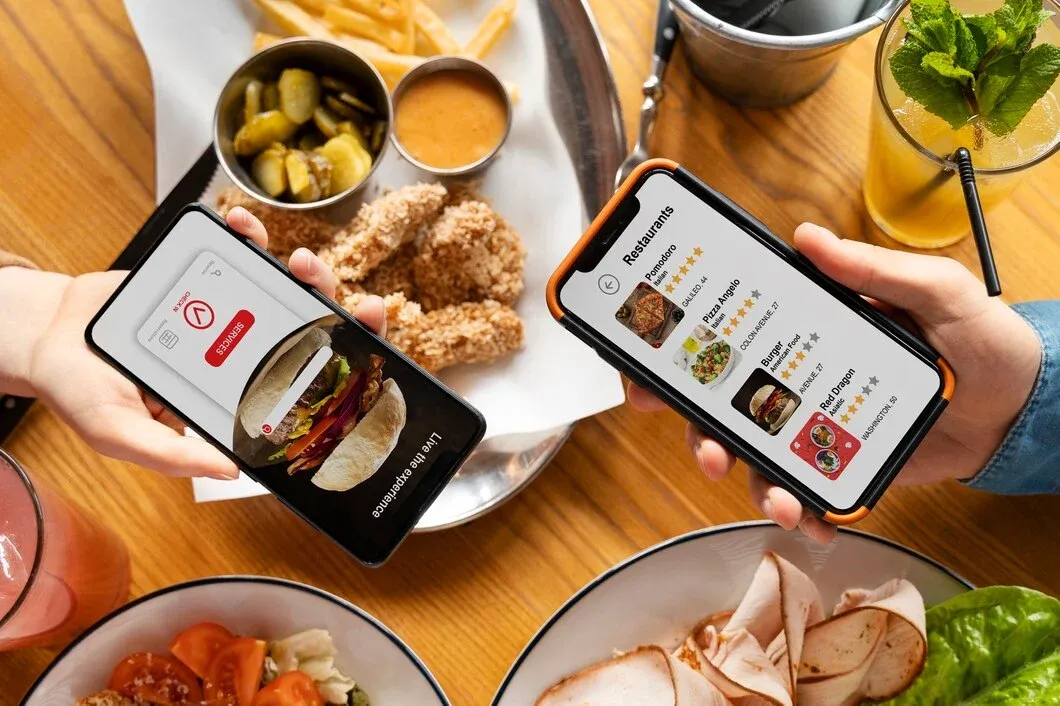
A dietary-focused restaurant discovery app designed to help users find nearby dining options that meet specific dietary preferences or restrictions. The focus is on accurate filtering and location-based discovery rather than reviews or reservations, making it practical for everyday decisions while keeping data sourcing and moderation requirements manageable.
Features:
- Restaurant listings with accessibility info
- Dietary restriction filters
- User reviews and ratings
- Basic reservation system
- Menu photo uploads
Cost Breakdown:
- Development: $12,000 - $20,000
- Design: $2,500 - $5,000
- Testing and Quality Assurance: $2,000 - $3,500
- App Store Submissions: $300
- Marketing and User Acquisition: $2,500 - $6,000
- Server and Infrastructure (first year): $1,000 - $2,000
Total Estimated Cost for Inclusive Restaurant Finder App: $20,300 - $36,800
43. Language Exchange Network App
A language exchange app designed to connect learners for conversational practice and cultural interaction through structured matching. The focus is on real-time conversation and peer learning rather than formal lessons or certification, making it effective for practical language improvement while keeping moderation, content creation, and platform complexity controlled.
Features:
- User profiles with language skills
- Partner matching system
- In-app text and voice chat
- Language learning resources
- Practice session scheduling
Cost Breakdown:
- Development: $15,000 - $28,000
- Design: $3,000 - $6,000
- Testing and Quality Assurance: $2,500 - $4,500
- App Store Submissions: $300
- Marketing and User Acquisition: $3,000 - $8,000
- Server and Infrastructure (first year): $1,200 - $2,500
Total Estimated Cost for Language Exchange Network App: $25,000 - $49,300
44. Micro-volunteering Platform App
A micro-volunteering app that breaks social impact into small, time-bound tasks users can complete in minutes. It focuses on low-commitment participation, making volunteering accessible without long-term obligations, while allowing organizations to crowdsource meaningful work efficiently through structured task distribution and progress tracking.
Features:
- Short-term volunteer opportunity listings
- Skill-based matching
- Time tracking for volunteers
- Basic impact measurement
- Organization profiles
Cost Breakdown:
- Development: $12,000 - $20,000
- Design: $2,500 - $5,000
- Testing and Quality Assurance: $2,000 - $3,500
- App Store Submissions: $300
- Marketing and User Acquisition: $2,500 - $6,000
- Server and Infrastructure (first year): $1,000 - $2,000
Total Estimated Cost for Micro-volunteering Platform App: $20,300 - $36,800
45. Local Produce Tracker App
An app that helps users discover seasonal local produce and nearby farmers’ markets based on location and time of year. It emphasizes informed buying by highlighting what’s in season, where it’s available, and how local sourcing supports freshness, sustainability, and regional farmers.
Features:
- Seasonal produce calendar
- Farmers' market locator
- Recipe suggestions
- Basic nutrition information
- User reviews for local produce
Cost Breakdown:
- Development: $10,000 - $18,000
- Design: $2,000 - $4,000
- Testing and Quality Assurance: $1,500 - $3,000
- App Store Submissions: $300
- Marketing and User Acquisition: $2,000 - $5,000
- Server and Infrastructure (first year): $800 - $1,500
Total Estimated Cost for Local Produce Tracker App: $16,600 - $31,800
46. Collaborative Playlist Creator App
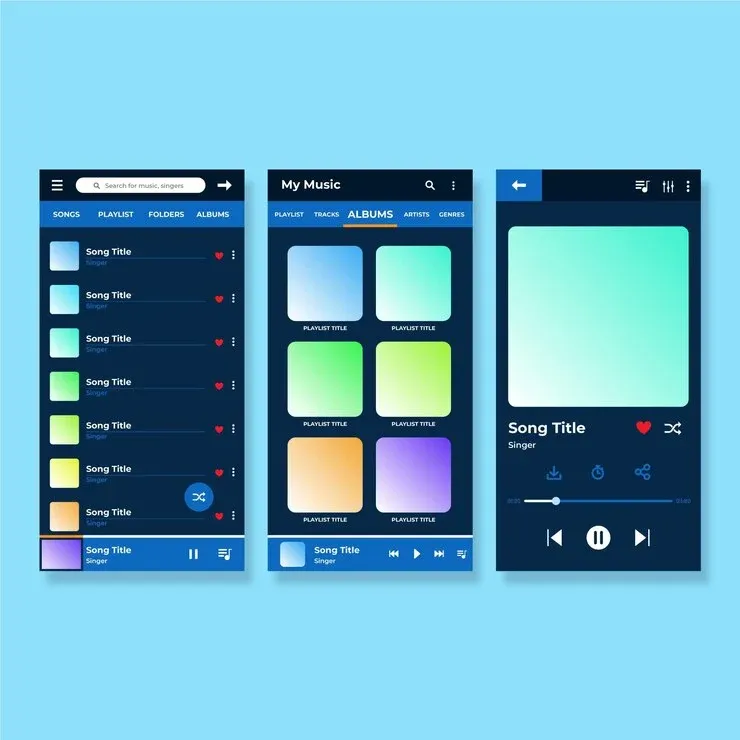
A collaborative music app that lets friends build shared playlists in real time, making music discovery social and interactive. It focuses on seamless syncing, group contribution, and shared listening moments without the friction of manual updates or platform switching.
Features:
- Playlist creation and sharing
- Collaborative editing
- Basic music player integration
- Voting system for song additions
- Playlist analytics
Cost Breakdown:
- Development: $12,000 - $20,000
- Design: $2,500 - $5,000
- Testing and Quality Assurance: $2,000 - $3,500
- App Store Submissions: $300
- Marketing and User Acquisition: $2,500 - $6,000
- Server and Infrastructure (first year): $1,000 - $2,000
Total Estimated Cost for Collaborative Playlist Creator App: $20,300 - $36,800
47. Augmented Reality City Guide App
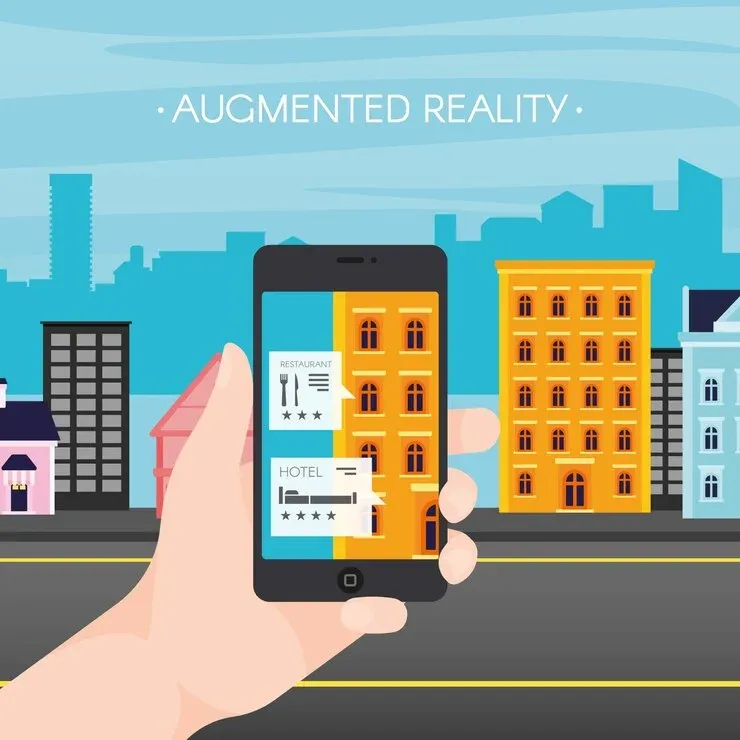
An augmented reality city guide that overlays historical context, landmarks, and points of interest onto real-world views, helping users explore cities intuitively while turning physical locations into interactive, story-driven experiences.
Features:
- AR points of interest
- Historical information overlays
- Basic navigation
- User-generated content
- Offline mode for pre-downloaded areas
Cost Breakdown:
- Development: $20,000 - $35,000
- Design: $4,000 - $7,000
- Testing and Quality Assurance: $3,000 - $5,000
- App Store Submissions: $300
- Marketing and User Acquisition: $4,000 - $10,000
- Server and Infrastructure (first year): $1,500 - $3,000
Total Estimated Cost for Augmented Reality City Guide App: $32,800 - $60,300
48. Ethical Brand Directory App
A curated directory app that helps users discover brands committed to ethical sourcing, sustainability, and responsible practices, making conscious purchasing decisions easier without needing deep research or brand-by-brand validation.
Features:
- Brand listings with ethical practices
- Category and value-based search
- User reviews and ratings
- Basic product showcases
- Ethical shopping guides
Cost Breakdown:
- Development: $10,000 - $18,000
- Design: $2,000 - $4,000
- Testing and Quality Assurance: $1,500 - $3,000
- App Store Submissions: $300
- Marketing and User Acquisition: $2,000 - $5,000
- Server and Infrastructure (first year): $800 - $1,500
Total Estimated Cost for Ethical Brand Directory App: $16,600 - $31,800
49. Digital Time Capsule App
An app that lets users preserve meaningful moments by creating digital time capsules with photos, videos, and messages, scheduled to be unlocked in the future, perfect for personal milestones, family memories, or shared experiences.
Features:
- Multimedia content uploads
- Scheduled future "opening" dates
- Sharing options with select individuals
- Basic encryption for privacy
- Reflection prompts and templates
Cost Breakdown:
- Development: $12,000 - $20,000
- Design: $2,500 - $5,000
- Testing and Quality Assurance: $2,000 - $3,500
- App Store Submissions: $300
- Marketing and User Acquisition: $2,500 - $6,000
- Server and Infrastructure (first year): $1,000 - $2,000
Total Estimated Cost for Digital Time Capsule App: $20,300 - $36,800
50. Mood-based Activity Suggester App
Description: An app that understands a user’s current mood and recommends relevant activities, music, or content to improve focus, relaxation, or emotional well-being in the moment.
Features:
- Mood input system
- Personalized activity suggestions
- Basic content curation (music, videos, articles)
- Mood tracking over time
- Community-shared activity ideas
Cost Breakdown:
- Development: $10,000 - $18,000
- Design: $2,000 - $4,000
- Testing and Quality Assurance: $1,500 - $3,000
- App Store Submissions: $300
- Marketing and User Acquisition: $2,000 - $5,000
- Server and Infrastructure (first year): $800 - $1,500
Total Estimated Cost for Mood-based Activity Suggester App: $16,600 - $31,800
This completes our list of 50 low cost mobile app development ideas. Each of these apps to make represents a unique opportunity in the mobile app market, catering to various user needs and interests. The cost estimates provided give a realistic overview of the investment required to bring these app ideas to life, considering not just development but also design, testing, marketing, and infrastructure costs.
Monetization Strategies for Low-Cost Apps
Building an app on a budget only works when monetization is considered early. The strategies below align with low-cost app models where revenue can scale gradually without increasing operational complexity or infrastructure costs. Here are some popular processes which can work nicely with low-value apps:
Freemium Model: Offer a free version of your app with simple features, and a rate for premium functions or superior capability.
In-App Advertising: Incorporate commercials into your app, ensuring they may be non-intrusive and applicable to your consumer base. Consider the use of advert networks like Google AdMob or Facebook Audience Network.
In-App Purchases: Offer digital items, extra content, or capabilities that users should purchase inside the app.
Subscription Model: Provide ongoing fees through ordinary updates or content and fee a routine charge.
Sponsorships: Partner with relevant manufacturers to sponsor precise capabilities or content material within your app.
Affiliate Marketing: Earn commissions with the aid of recommending relevant products or services to your users.
Data Monetization: Collect and analyze consumer records (with consent) to offer valuable insights to interested events. Ensure compliance with information protection guidelines like GDPR and CCPA.
When selecting a monetization approach, don't forget your target market, app category, and long-term sustainability. It's often effective to combine multiple techniques to create a balanced sales move.
Bringing Your App Idea to Life
Now that we have explored 50 thrilling low-cost mobile app development ideas and discussed numerous elements of the development procedure, you are probably thinking about how to turn these standards into reality. Here are some guidelines to get began:
- Validate Your Idea: Before diving into development, research your target market and validate your app concept. Use surveys, and focus groups, or create a touchdown web page to gauge interest.
- Start with a Minimum Viable Product (MVP): Focus on growing the centre features of your app first. This approach permits you to launch quicker and accumulate consumer feedback for future upgrades.
- Consider Cross-Platform Development: Tools like React Native or Flutter will let you expand for both iOS and Android concurrently, lowering development charges and time.
- Leverage Open Source Resources: Utilize open-supply libraries and frameworks to accelerate improvement and reduce costs.
- Design for Simplicity: Keep your app's design clean and intuitive. A simple, person-friendly interface may be greater cost-powerful to increase and maintain.
- Plan for Scalability: While starting small is wise, design your app structure with destiny boom in thoughts to keep away from expensive rebuilds later.
- Prioritize User Feedback: Once released, actively are seeking for and comprise consumer remarks to improve your app and manual destiny development.
- Focus on App Store Optimization (ASO): Optimize your app's name, description, and key phrases to enhance visibility in app shops.
- Build a Community: Engage together with your customers via social media, boards, or in-app communities to foster loyalty and accumulate treasured feedback.
- Continuously Iterate: The app marketplace is ever-evolving. Keep enhancing your app primarily based on user remarks and market traits to live applicable.
Conclusion
Low-cost mobile app development is not about cutting corners, it’s about making smarter early decisions. Many successful apps began as focused solutions, not fully built platforms. By choosing ideas that are simple to validate, economical to build, and aligned with real user needs, founders can reduce risk while increasing their chances of long-term success. The goal is not to build everything at once, but to build the right thing first.
FAQs
How much does it typically cost to develop a mobile app?
Mobile app development costs vary widely. Simple MVPs range from $5,000 to $50,000, while complex apps cost more. Factors affecting cost include platforms, features, backend requirements, and development team expertise. Costs can escalate significantly for feature-rich applications.
What are some trending app ideas for beginners?
Trending app ideas for beginners include task management, habit trackers, mindfulness apps, and local event finders. Health, fitness, educational tools, and sustainability-focused apps are also popular. Choose an idea aligning with your interests and skills while addressing a clear market need.
How can I protect my app idea from being stolen?
While it is hard to completely protect your app idea, you can use NDAs, file provisional patents, and focus on rapid development. Trademark your app name and logo, copyright unique content, and keep development details confidential. Build a strong brand identity. Remember, execution often matters more than the initial idea.
How long does it typically take to develop a mobile app?
Mobile app development timelines vary based on complexity and team size. Simple apps take 2-3 months, medium complexity apps take 3-6 months, and complex apps take 6-12 months or more. This includes planning to launch phases. App development is ongoing, with updates based on feedback.
What are some common challenges in mobile app development?
Common mobile app development challenges include cross-platform compatibility, screen size limitations, performance optimization, keeping up with tech changes, ensuring data security, standing out in app stores, and user retention. These require careful planning, testing, and ongoing improvement.